What to do on a beach
The thought of all that sand can fill many parents with horror, but take the right things with you and you might actually enjoy it. Where else can the kids have a large, flat, safe area to chase around in… well, OK, the park. But there is something about sand and sea that children love.
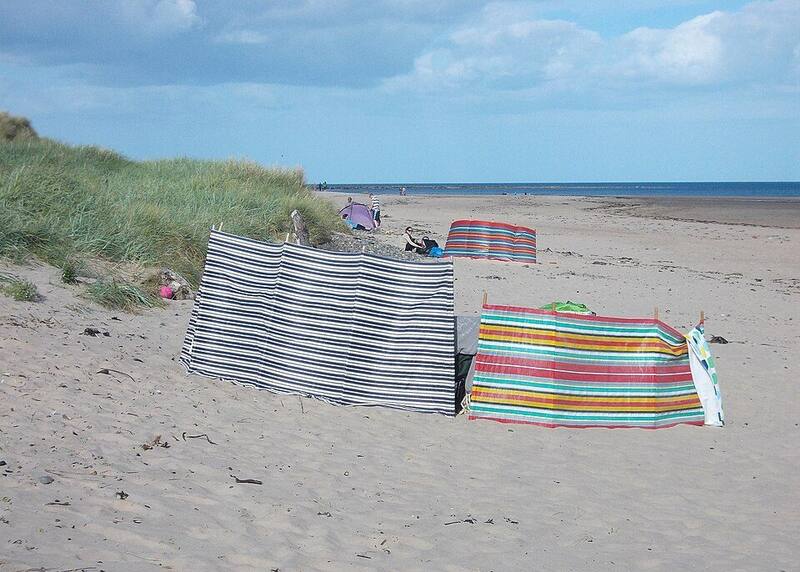

As with most things, the most important thing before you go to the beach is planning, so make a list of everything you’ll need.
Before you go
Protection
Sun cream, a sunshade, sunglasses and sun hats. A windbreak or beach tent. A basic first aid kit. Armbands or any other buoyancy aids your child might need. Insect repellent and something to soothe bites.
Tides
Always be aware of how the tides work in your area. It is very easy to get engrossed in a game or go for a long walk and find you have been cut off. Tide tables are usually easy to find at the seaside and tell you exactly when high and low tides will be; the UK Hydrographic Office puts them online too, on EasyTide, for a week ahead.
Picnics
The most important thing about picnicking with children is keeping the sand out. It gets everywhere, and there are a few things you can do to avoid crunchy sandwiches and a picnic that ends up in the bin:
- Before anyone eats, make everyone swill their hands in the sea.
- While they are doing that, shake out the towels and lay out a sand-free area to sit on.
- Make absolutely everything mouthful-size, so it doesn’t have time to attract the sand: cherry tomatoes, grapes, cucumber wedges and carrot batons, bite-size sandwiches, squares of cheese, a slice of ham rolled up round a cocktail stick, mini sausages, breadsticks, hard-boiled eggs, mini biscuits, celery sticks filled with cream cheese.
- Give everyone their own drink bottle with a sealed spout to keep the sand out. Avoid fizzy drinks and take plenty of squash and water.
- Take your rubbish home with you.
Clothes
On an English beach holiday you have to be prepared for all weathers, and there is nothing worse than sitting huddled up and freezing, praying the kids will want to go home soon! Take swimming things and a couple of T-shirts (one to swim in if it’s really hot, and a dry one for afterwards), but also warm, comfortable clothes. A travel rug to wrap up in. Something for the little ones to lie on for an afternoon nap. Towels. Waterproofs if it looks like rain. And an umbrella!
When you’re there

- French cricket, catch, boules and bat-and-ball
- Knock-down: line up some objects and try to hit them with a ball
- Hopscotch drawn in the wet sand
- Paddle, swim, snorkel or bodyboard
- Fly a kite
- Go rockpooling
- Collect shells, or beachcomb for “treasure”
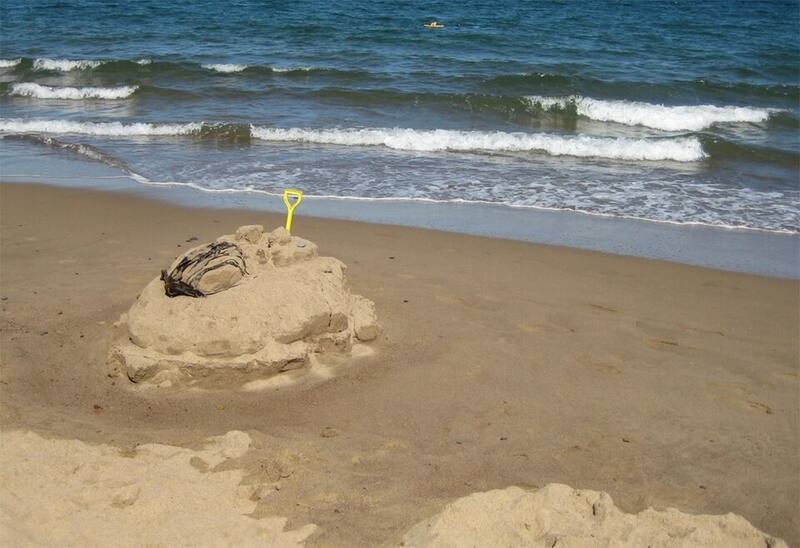
- Fill the moat round your sandcastle with water from the shore
- Build a dam
- Dig a hole and try to fill it with water
- When the tide is coming in, dig a trench from a hole near your camp to the sea and watch the tide fill it
- Make a sand garden with flowers, seaweed, shells and pebbles
- Make a sand golf course and flick a small pebble round it
- Build a sand car for the under 6s to sit in and go on an imaginary journey
- Read, do a puzzle, birdwatch or just sunbathe
- Go crabbing
Crabbing
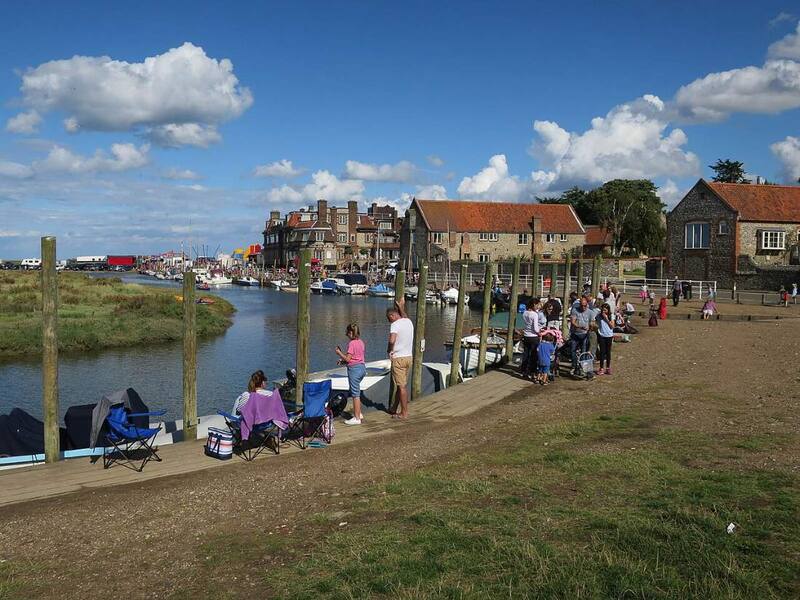

Crabbing is a wonderful way to keep children busy for hours. They absolutely love it, and the enjoyable part for adults is that the children are happy and occupied. It involves dangling a baited line into the sea and pulling up angry, scrabbling crabs, which are then plonked unceremoniously into a bucket. The suspense of waiting for a great big crab to take your bait, then getting it into the bucket before it nips you, has children squealing with excitement and fear all rolled into one.
Where
Anywhere you can dangle a line into still water. A pier or a harbour wall is the perfect spot.
When
Around high tide.
What you need
A long line, a weight, a bait bag, some bait and a bucket. Leave out the hook: crabs hang on to the bait without one, and hooks hurt them.
How to do it
The line should be long enough to reach the bottom. Tie the weight to the end (anything heavy enough to sink it will do; crabbing is not a delicate business) and fix the bait just above it. For bait you can use anything meaty or fishy. Bits of uncooked bacon rind are perfect, but crabs are not fussy.
Important
Most crabs you catch off a pier are not the eating kind, so put them back when you have finished, gently and close to the water. Don’t let your catch overheat: crabs like the cool sea water they have just come from, so on hot days change the water in the bucket every now and then and don’t cram too many in. Adults should go crabbing with children because of the usual risks of water, the sea and so on, and check the tide times first.
Beachcombing
Twice a day the sea comes in and goes out again, leaving behind a wealth of interesting treasures. If you want to do something more energetic than gaze into rockpools, or the weather is too chilly for anything else, beachcombing is the perfect way to spice up what would otherwise be a boring old walk (and let’s face it, most children reckon walks are pretty boring things).
It’s at its best after a good storm, when the sea has washed up all sorts of odds and ends. It is extremely rare to find anything valuable, and despite the occasional horror story it is also rare to find anything dangerous, but it is sensible to keep an eye on what gets picked up.
The key to beachcombing with children is imagination. See who can collect the most of one kind of shell, gather pebbles or shells to make a necklace, imagine the dried-out banks of seaweed are a giant’s cornflakes. Is it just an old bit of wood, or has it come from a pirate ship? Was someone made to walk the plank on it? Once they are fired up, children can spend hours on a good hearty walk without a single moan.
Look out for

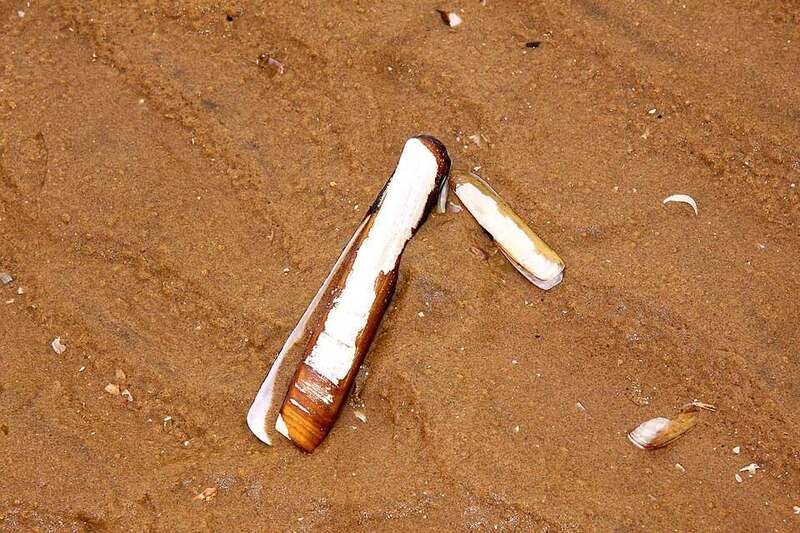

| What children call it | What it really is | Where the story goes |
|---|---|---|
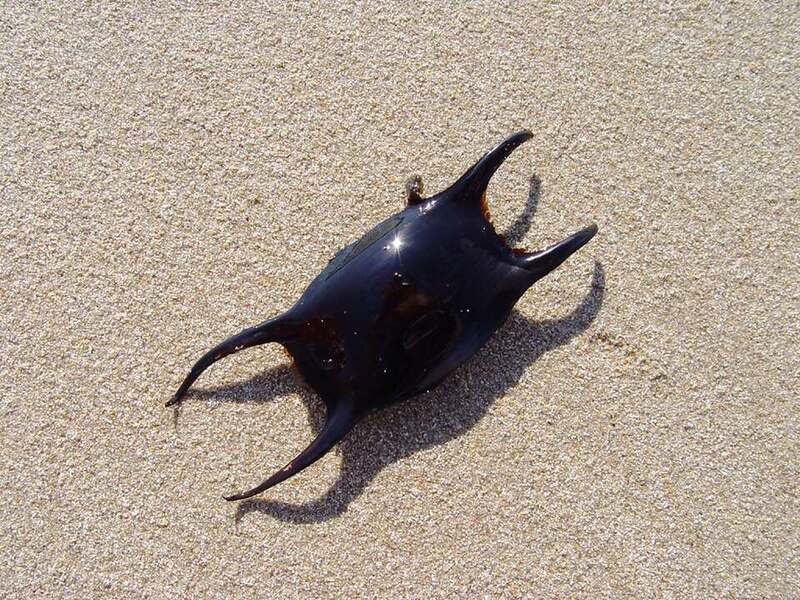
| Mermaid’s purse | The egg case of a dogfish (the ones with horns instead of curly tendrils belong to skates and rays) | How did the mermaid lose it, and what was she carrying? |
| Giant’s fingernail | A razor shell | Try to find one with both halves still joined by the hinge. |
| Mermaid’s sponge | A clump of whelk egg cases | Why has she left her sponge behind? Each pocket once held tiny young whelks. |
| Everything else | Feathers, shells, sea urchin shells, cuttlefish bones, sea glass, strange seaweed | Who had it last? |